



Kucuksu Rasathane
Uskudar Istanbul Turkey

Mon–Fri 09:00–18:00 (GMT+3)
Weekend: Closed
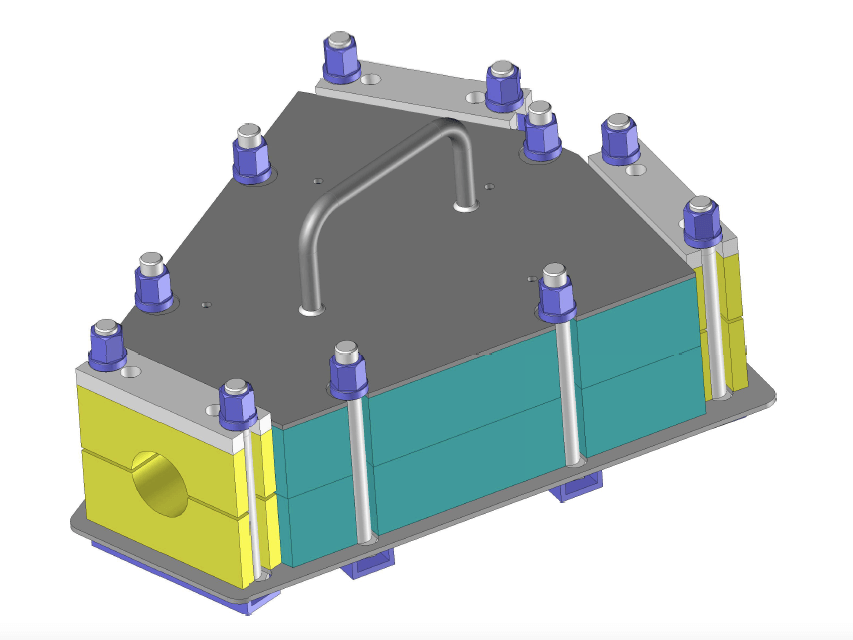
UPCOM • Cable Blowing Accessory
Y Connector Cable Overblowing Device
A Y Connector cable overblowing setup lets installation teams add a second or third fiber optic cable into an already occupied duct without removing the existing line. The sealed Y-block chamber keeps air pressure under control during cable blowing and helps make network upgrades, spare-capacity use, and retrofit duct expansion far more practical.
This overblow duct connector is used when one cable is already inside the route and an additional cable or microduct must be installed through the same duct system. With the correct seals, cable aligning parts, and duct inserts, the Y Connector supports controlled airflow, stable feeding, and cleaner cable handling during demanding telecom installation work.
6-18 mm
Compatible cable diameter
20-63 mm
Duct outer diameter
12 bar
Maximum air pressure
14 kg
Net weight
What Is a Y Connector Cable Overblowing Device?
The Y Connector is a machined aluminum Y-block used in cable overblowing applications where a duct is already occupied by one cable and the installer needs to add another one. Instead of removing the original line or opening a new route, the device creates a sealed pressure chamber between the cable blowing machine and the occupied duct.
In practical terms, this means the existing cable exits through a sealed outlet while the additional cable is fed through the remaining branch under controlled air pressure. The result is a more efficient way to increase duct utilization in backbone upgrades, metro projects, FTTH expansion, and retrofit telecom work.
These installations are commonly performed in HDPE conduit systems, where route condition, sealing quality, and correct cable-to-duct matching directly affect blowing performance.
Why it matters
When a standard blowing setup is not enough
- Use the existing duct capacity instead of building a new route.
- Install a second or third cable without removing the original cable.
- Maintain a sealed chamber to reduce air leakage during overblowing.
- Support cleaner, more controlled cable feeding in upgrade projects.
- Configure the unit according to actual cable OD, duct OD, and seal requirements.
This is not a generic one-size-fits-all block. Correct sealing components and cable aligning parts matter. Ignore that and the air escapes, performance drops, and the whole operation turns into a very human kind of avoidable mess.
How Y Connector Cable Overblowing Works
Step 1
Seal the occupied duct
The existing cable passes through its own sealed outlet so it can leave the chamber without major pressure loss. This sealed exit is one of the critical differences between a proper Y-block setup and an improvised connection.
Step 2
Connect the blowing machine
One branch is connected to the cable blowing machine through a short duct section. The machine then feeds the additional cable or microduct while compressed air is introduced into the controlled chamber.
Step 3
Blow the additional cable
The new cable is installed through the same occupied route. In overblowing conditions, installation speed is typically lower than the original single-cable installation, but with correct sealing and compressor capacity the distance can still remain highly practical.
Operation principle
The Y-block forms a pressurized transition point between the machine and the live duct route. Airflow moves around the existing cable while the new cable is guided into the same pathway. Because the route is already partially occupied, friction behavior changes and setup accuracy becomes more important than in a first-time cable installation.
For that reason, the Y Connector is usually selected together with the correct cable blowing lubricant, seal set, and machine range. If the route is small-diameter microduct work, a compact model such as MikroFOK or ElektroFOK may be the better pairing. Larger duct and cable combinations may require FOK or HidroFOK.
Background
General installation reference
If you want broader background on fiber blowing and jetting principles, this general optical fiber cable blowing application note is useful for understanding how route condition, sealing, friction, and airflow influence performance.
External link included for reference. The actual machine and accessory selection still has to be matched to your real cable and duct dimensions.
Y Connector Cable Applications
The Y Connector is mainly used in projects where the duct infrastructure already exists and the operator wants to increase capacity without rebuilding the route. It is suitable for adding a second cable, installing a third cable in specific configurations, or introducing additional microducts where route geometry and sealing conditions allow it.
Network capacity upgrades
Add more fiber capacity to occupied ducts during backbone expansion, municipal network growth, or metro route upgrades.
Retrofit telecom projects
Use the same duct asset in brownfield environments where civil work is expensive, slow, or simply not welcome by anyone sane.
Spare microduct deployment
Install additional tubes or cables for future use when the original duct still has usable internal space and the correct seal layout is available.


How to Configure the Right Y Connector Cable Setup
A Y-block overblowing installation should be configured against the actual route, not vague optimism. Before ordering or quoting, the following inputs should be confirmed:
- Existing cable outer diameter
- New cable outer diameter
- Duct outer diameter
- Required seal type and sealing arrangement
- Suitable cable aligning parts and nutring combination
- Compatible machine range for the target cable and duct pair
This is why the Y Connector is typically supplied with cable-specific and duct-specific parts according to project requirements rather than as a blind universal pack.
Recommended pairings
Related UPCOM products
Y Connector Cable Technical Specifications
The standard version is built with an aluminum body and designed for telecom cable overblowing applications in occupied ducts. Technical values below reflect the current datasheet range.
| Product type | Y Connector / Y-block overblow duct connector |
| Compatible cable diameter | 6 - 18 mm |
| Duct outer diameter | 20 - 63 mm |
| Maximum air pressure | 12 bar |
| Material | Machined aluminum body |
| Net weight | 14 kg |
| Gross weight | 17 kg |
| Package dimensions | 370 × 350 × 180 mm |
| Packaging | Fumigated plywood wooden case suitable for international shipment |
Overblowing performance is route-dependent. In many real installations, second-cable speed is lower than the original single-cable blow because airflow must pass around the occupied section. Correct seals, proper route preparation, and suitable lubricant choice make a visible difference.
FAQ About Y Connector Cable Applications
What is a Y Connector used for in cable blowing?
It is used to install an additional cable or microduct into a duct that already contains a cable. The device maintains a sealed chamber so overblowing can be carried out more effectively.
Can I use the same Y-block for every cable and duct size?
No. The correct sealing elements, cable aligning parts, and duct connection pieces must match the actual dimensions of the installation.
Does overblowing reduce installation speed?
Usually yes. Because the duct is already occupied, airflow and friction conditions change. The final result depends on sealing quality, compressor capacity, route condition, and cable geometry.
Can the Y Connector be used with different cable blowing machines?
Yes. Machine selection depends on cable diameter, duct size, route condition, and the level of feeding control required for the project.
Is lubricant still recommended when using a Y Connector?
In many installations, yes. A suitable cable blowing lubricant can help reduce friction and improve stability, especially in longer or tighter routes.
What information should be shared before quotation?
At minimum: existing cable diameter, new cable diameter, duct outer diameter, route type, and any specific sealing requirement. Without those details, selection becomes guesswork dressed up as confidence.
Need the right Y Connector configuration for your occupied duct?
Share the existing cable OD, new cable OD, duct OD, and target machine range. The correct Y-block configuration depends on the actual installation geometry, not on generic catalog assumptions.