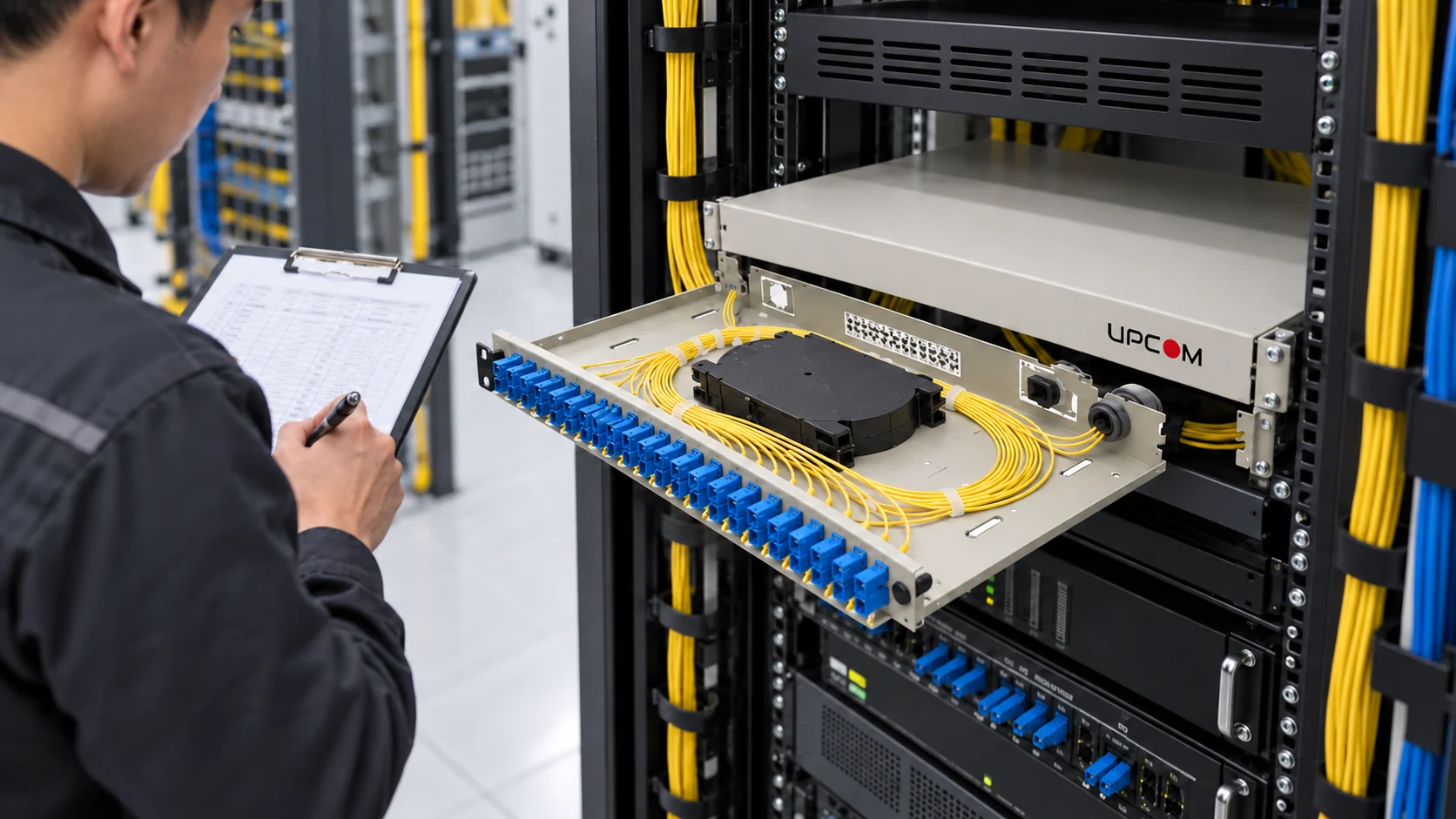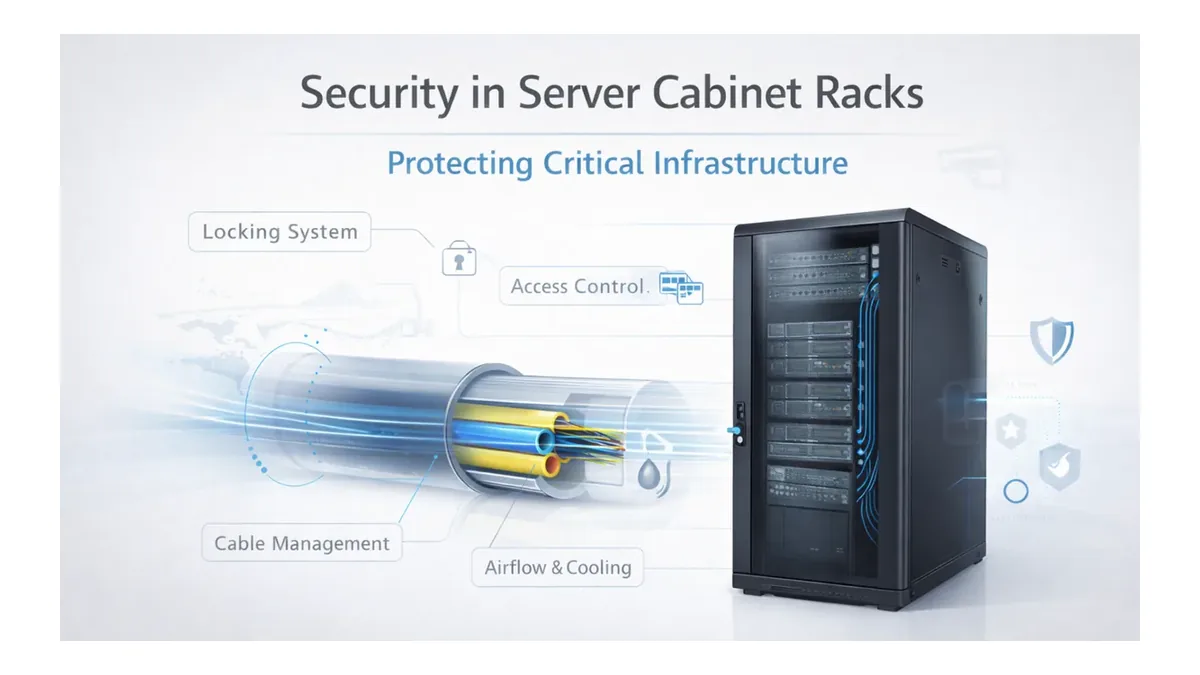
Security in Server Cabinet Racks: Protecting Your Critical Infrastructure Ensuring the security and operational continuity of network equipment is a fundamental priority for modern IT environments. As organizations grow their digital operations, server cabinets evolve into engineered protection systems designed to safeguard mission‑critical infrastructure. Why Robust Security...

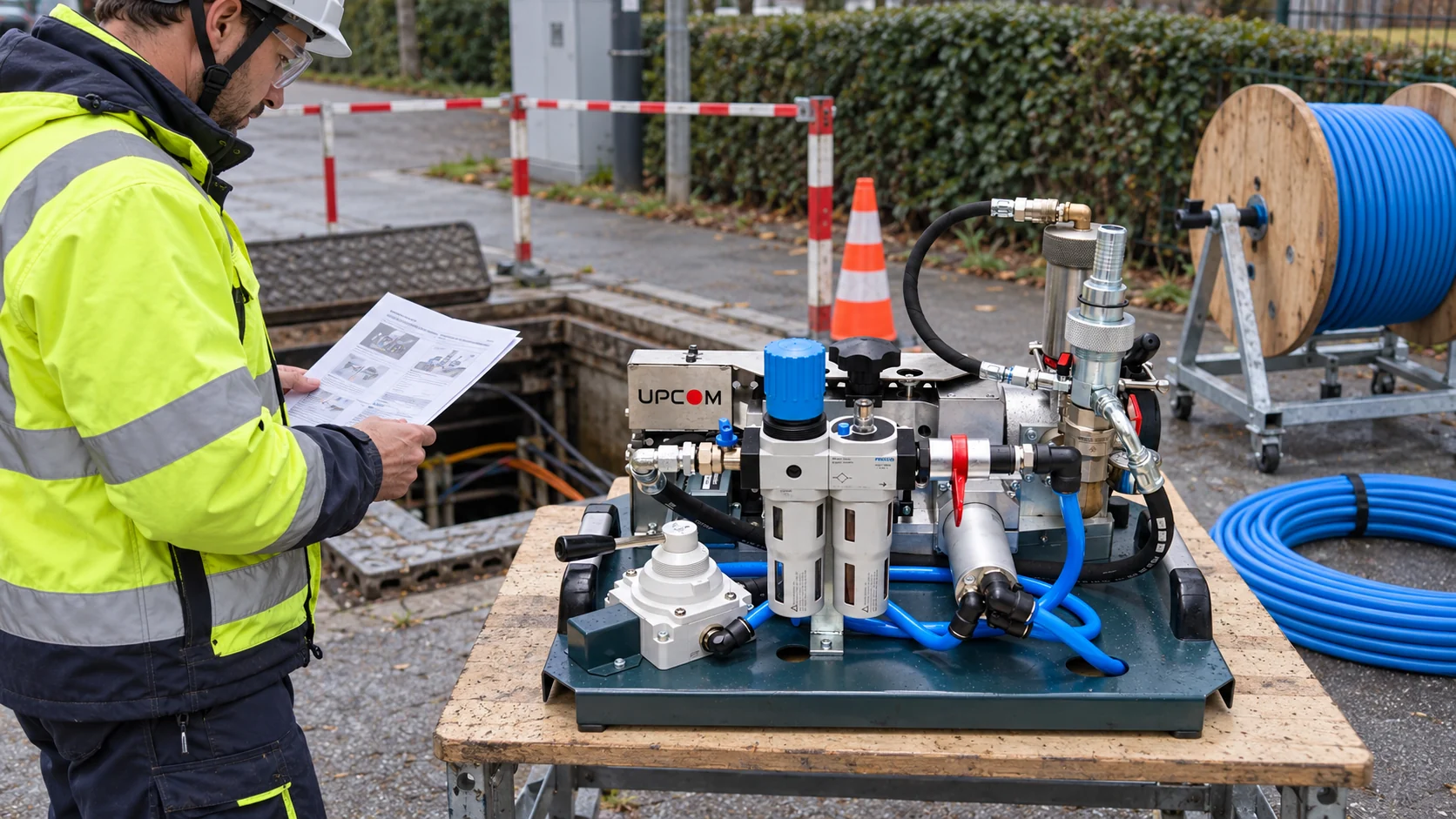
Fiber optic cable blowing, also called fiber jetting, is one of the most efficient ways to install fiber into pre-installed ducts. Done correctly, it reduces mechanical stress, lowers friction compared to many pulling scenarios, and gives installers better control over speed, airflow, and cable handling...

Choose cable spooling equipment by cable handling limits, reel dimensions, cut length and winding requirements. Review controlled rotation, safe setup and cable protection during respooling....

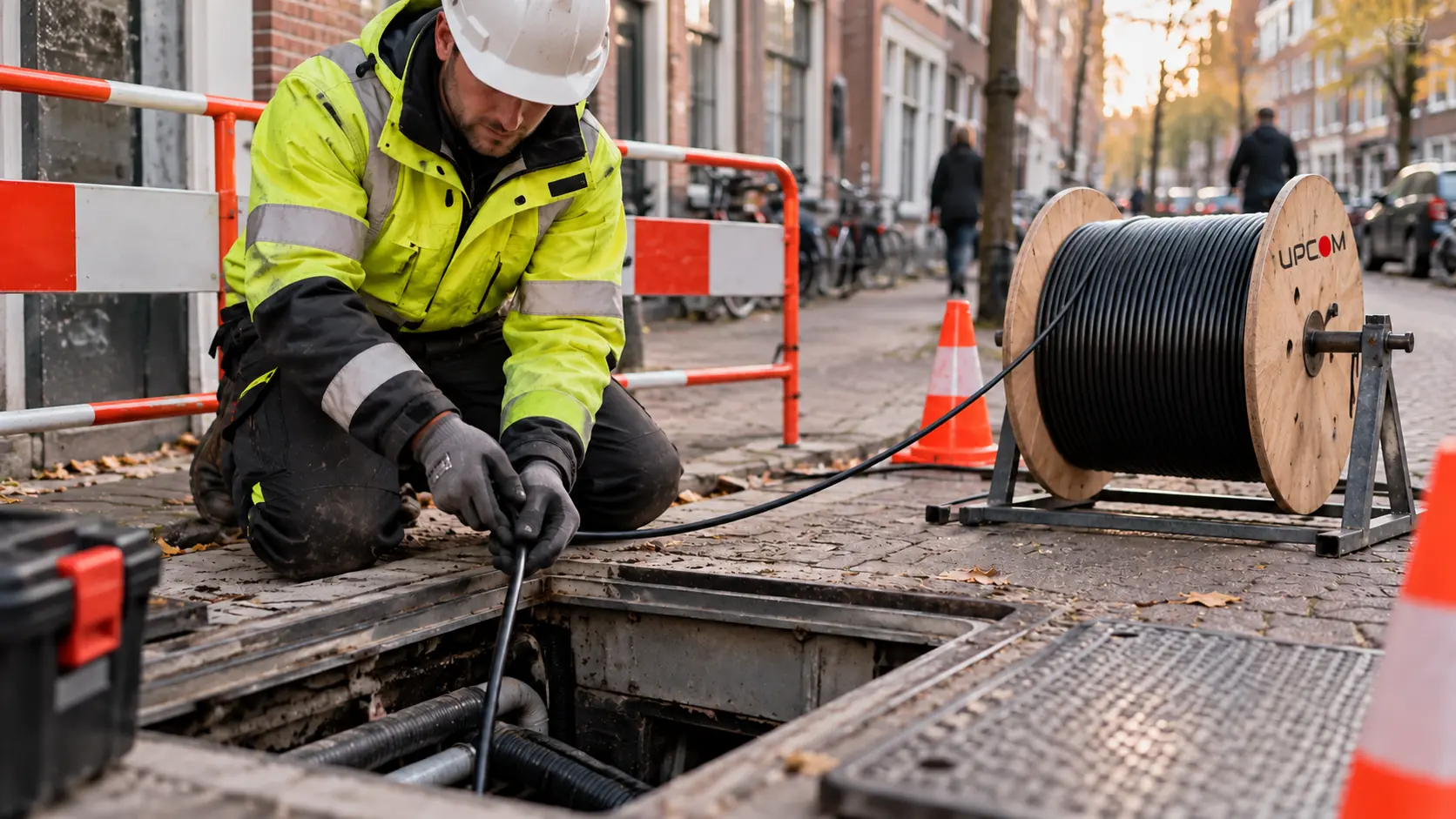
Urban Fiber Network Optimization for High-Density Cities Urban networks are brutally predictable: traffic keeps growing, budgets do not. In high-density areas, operators need to improve urban fiber network performance without tearing up every street twice. That is where urban fiber network optimization matters: reducing congestion, protecting latency, and...

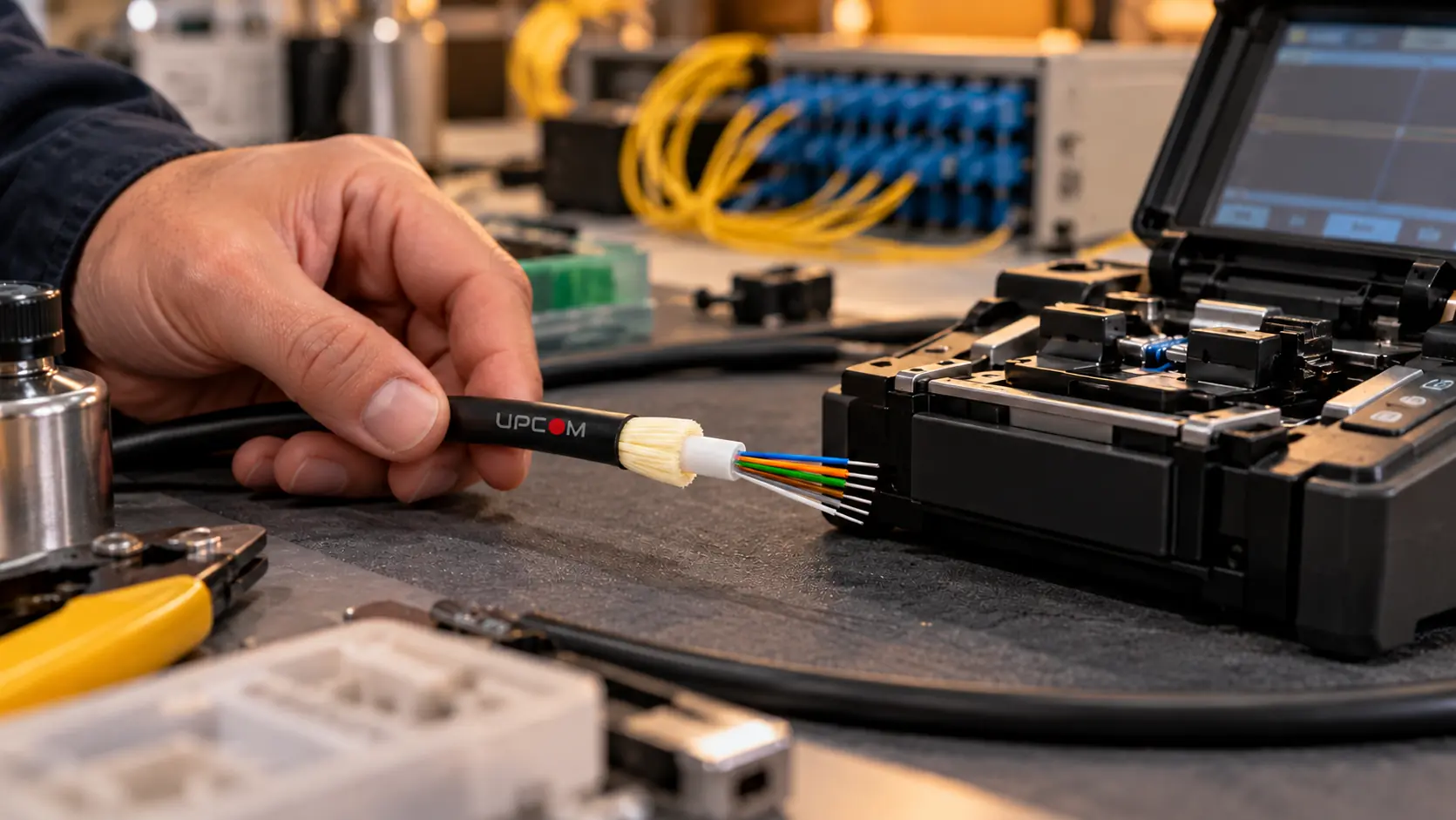
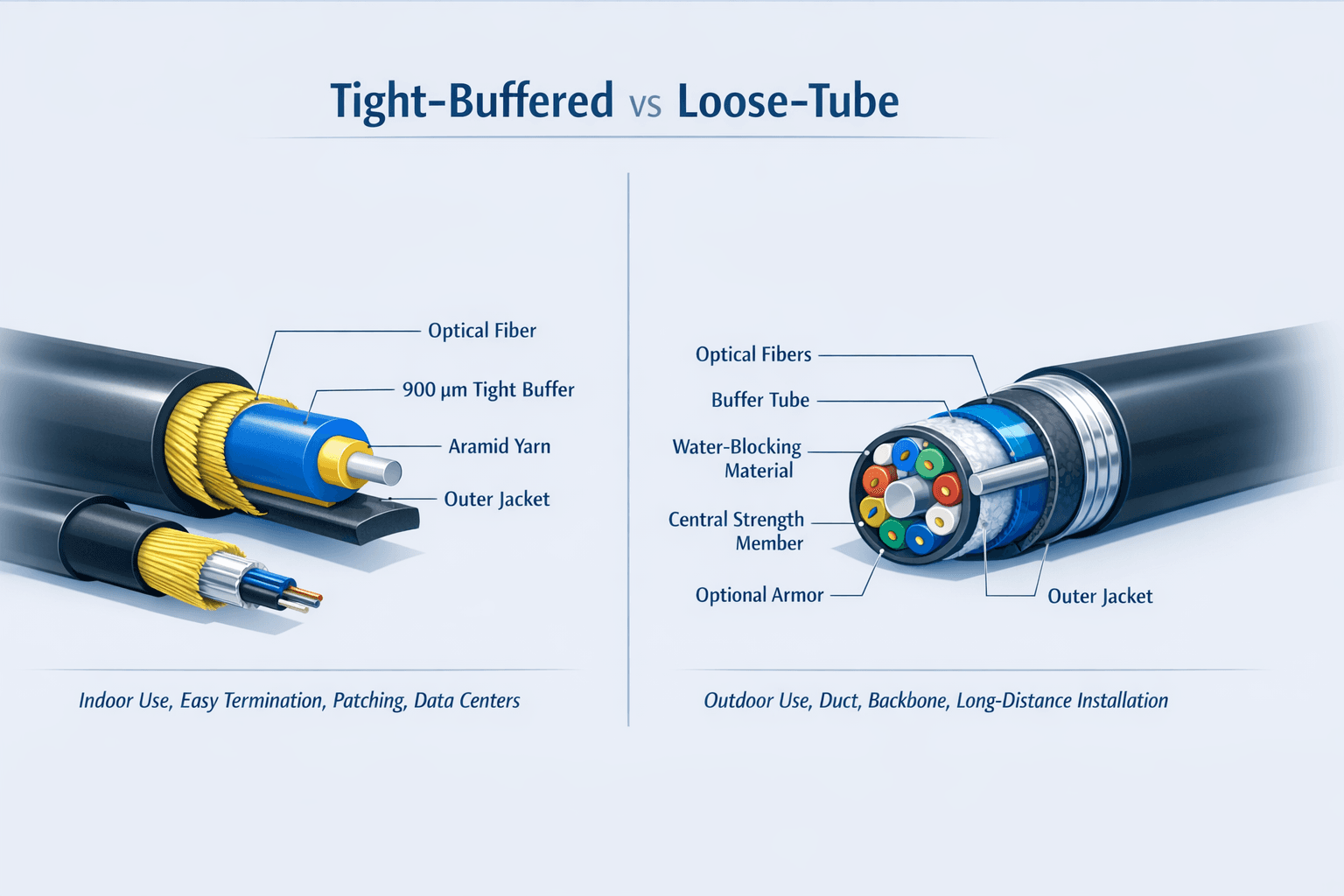
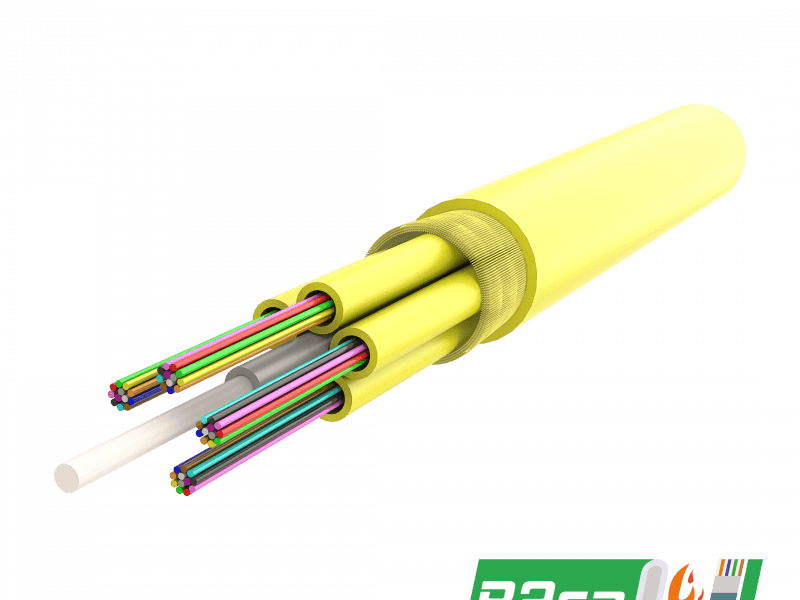
Tight-Buffered and Loose-Tube Cables are built for different installation conditions, termination methods, and mechanical demands. Choosing the right cable construction affects installation speed, bend handling, water resistance, fiber protection, and long-term network reliability....

Compare OS1 and OS2 fiber cabling by attenuation, cable construction and installation requirements. Understand the limits of each designation when selecting single-mode cable for indoor and outdoor routes....